Sep 2023
Trade Platform
Since I've run out of content, this is a copy of the first post. The posts describe the template's features, so if you missed it, I recommend starting with the first post.
This template has different types of posts. Take a look at all of them to see what the template can do. All settings are available for each post in the CMS. This is a standard post option.
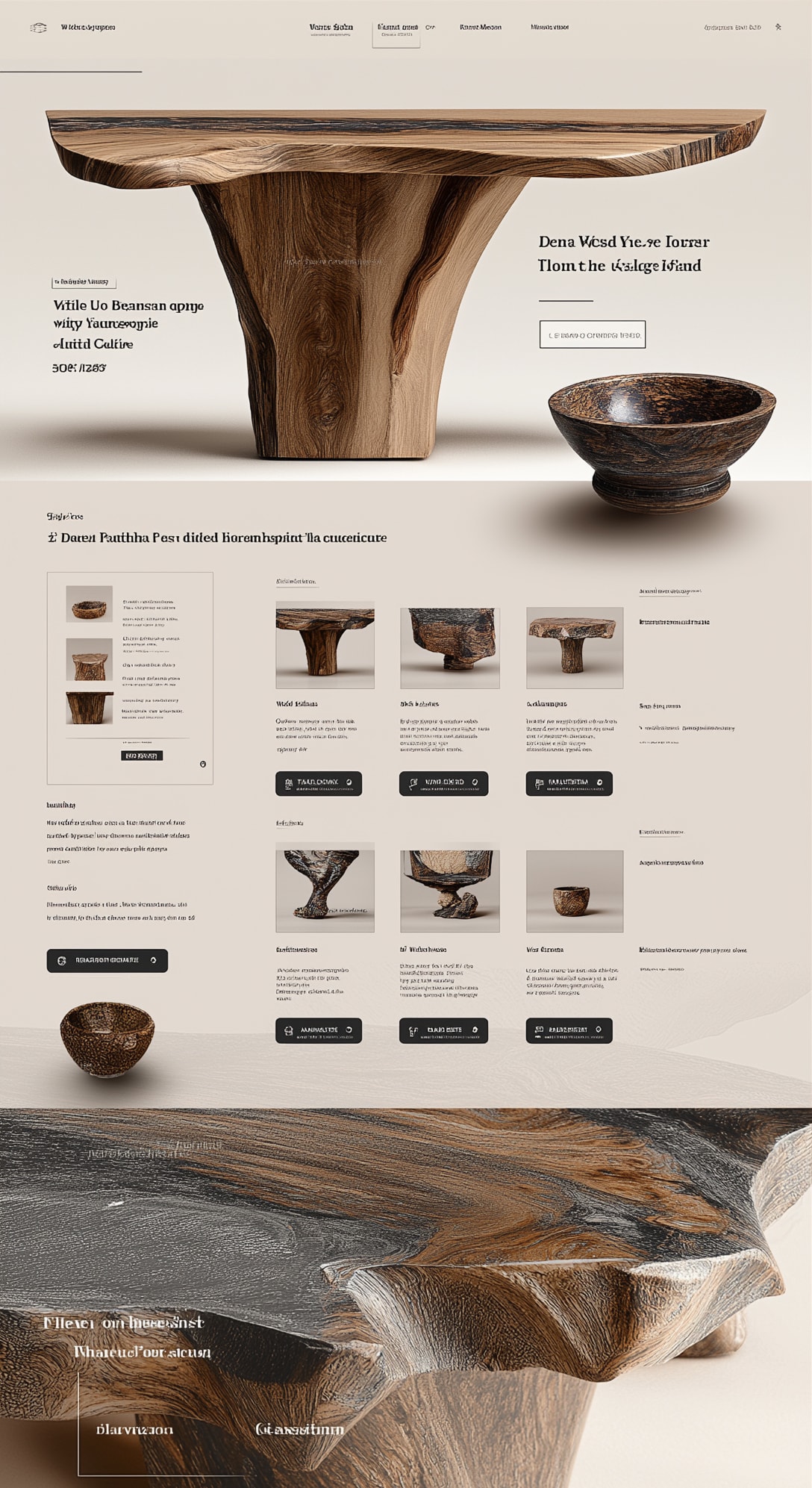
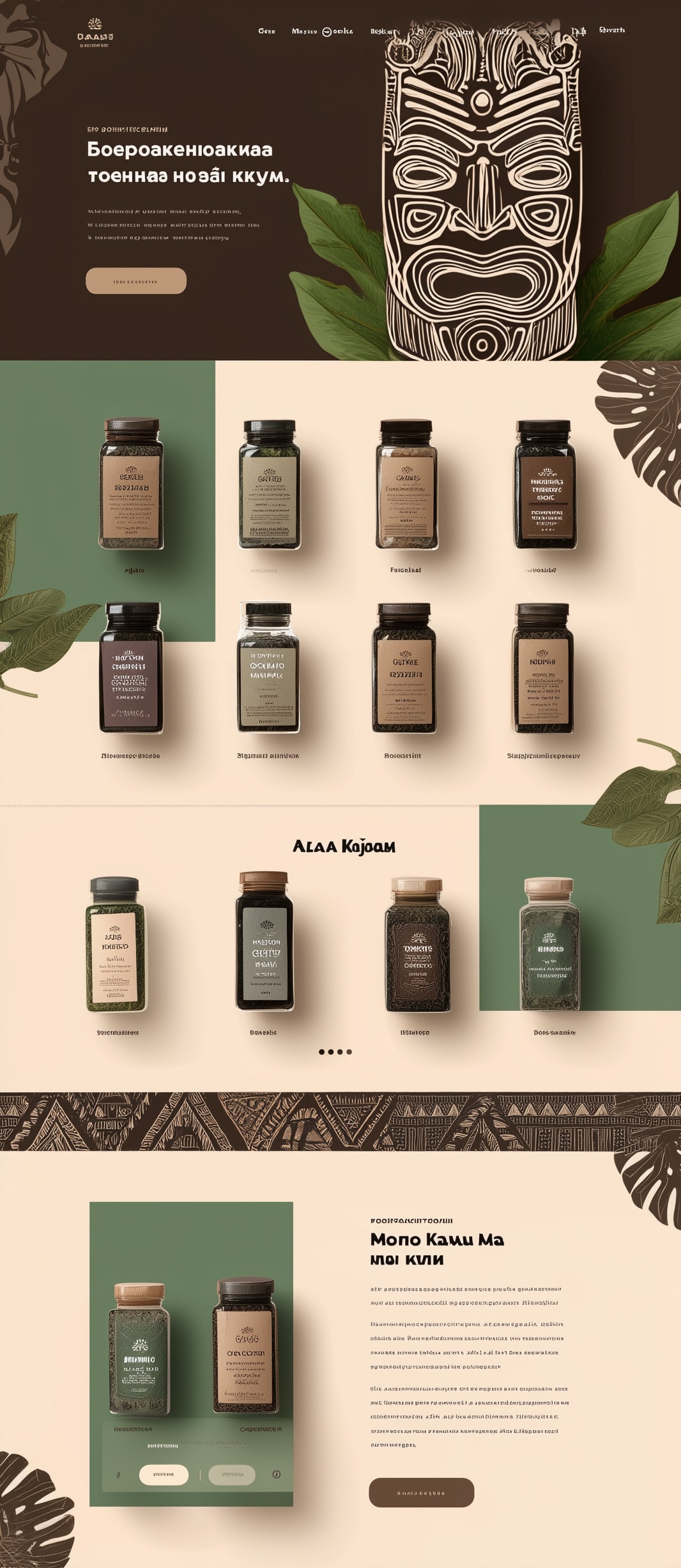
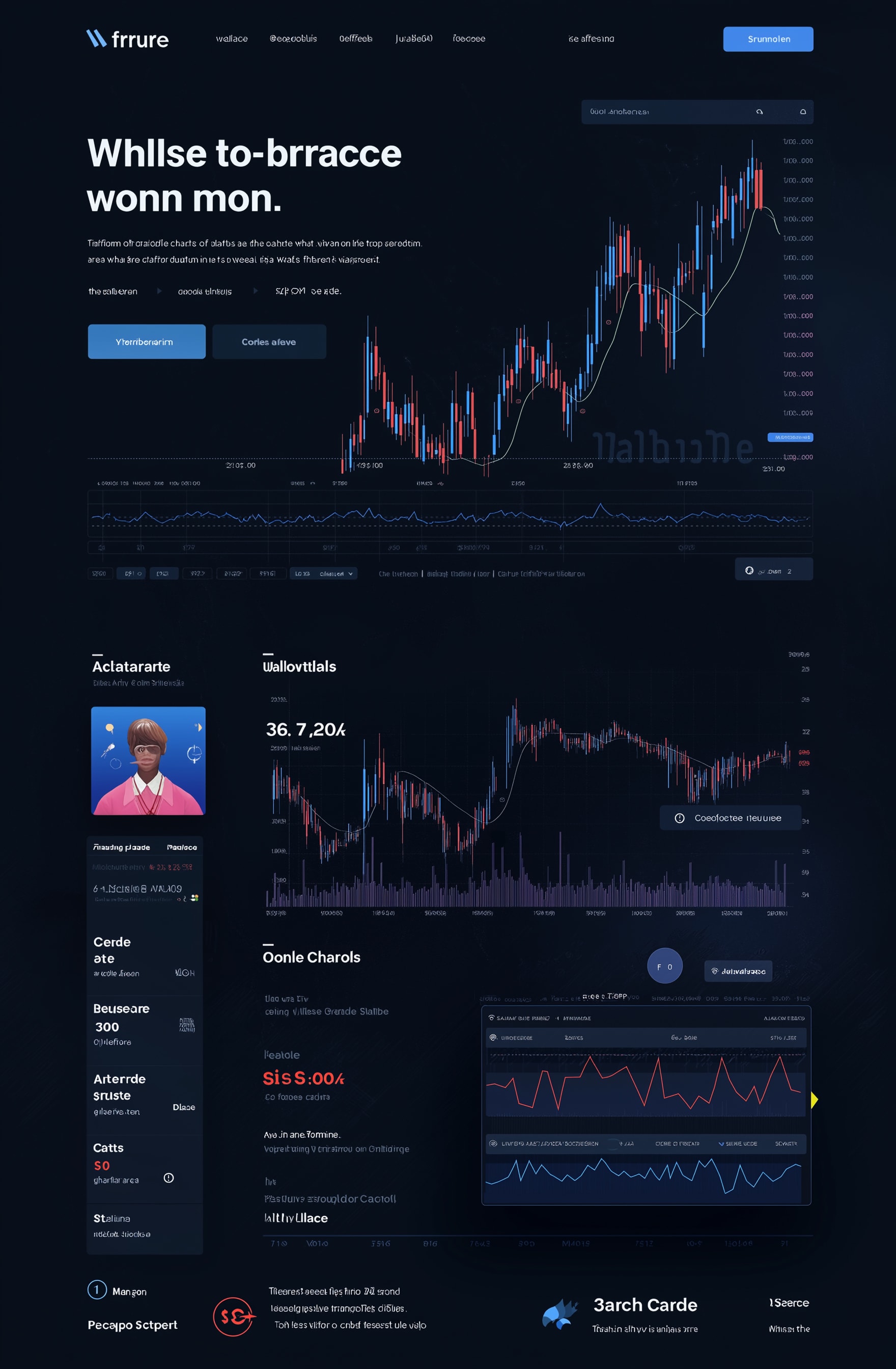
The first interesting fact is that the photos of the person on this site are generated based on a random photo from Pinterest and my photo, but the resulting character does not resemble me or the person from the internet. When neural networks made it possible to generate based on a character and replicate their appearance, it became possible to create such virtual universes.
I added custom CSS styles to achieve narrow text, lists, tables, but wide images and code, so in the layout you will see an ugly post layout, but the actual post will be beautiful if you open it in a browser, in which case the CSS styles will load
When creating posts, you divide all content into parts that can be accessed using the menu on the left. In addition, any heading, even one that is not in the menu, is a link and can be shared. If the post consists entirely of images or HTML, you can hide the headings from the text itself in the settings and leave them only in the menu.
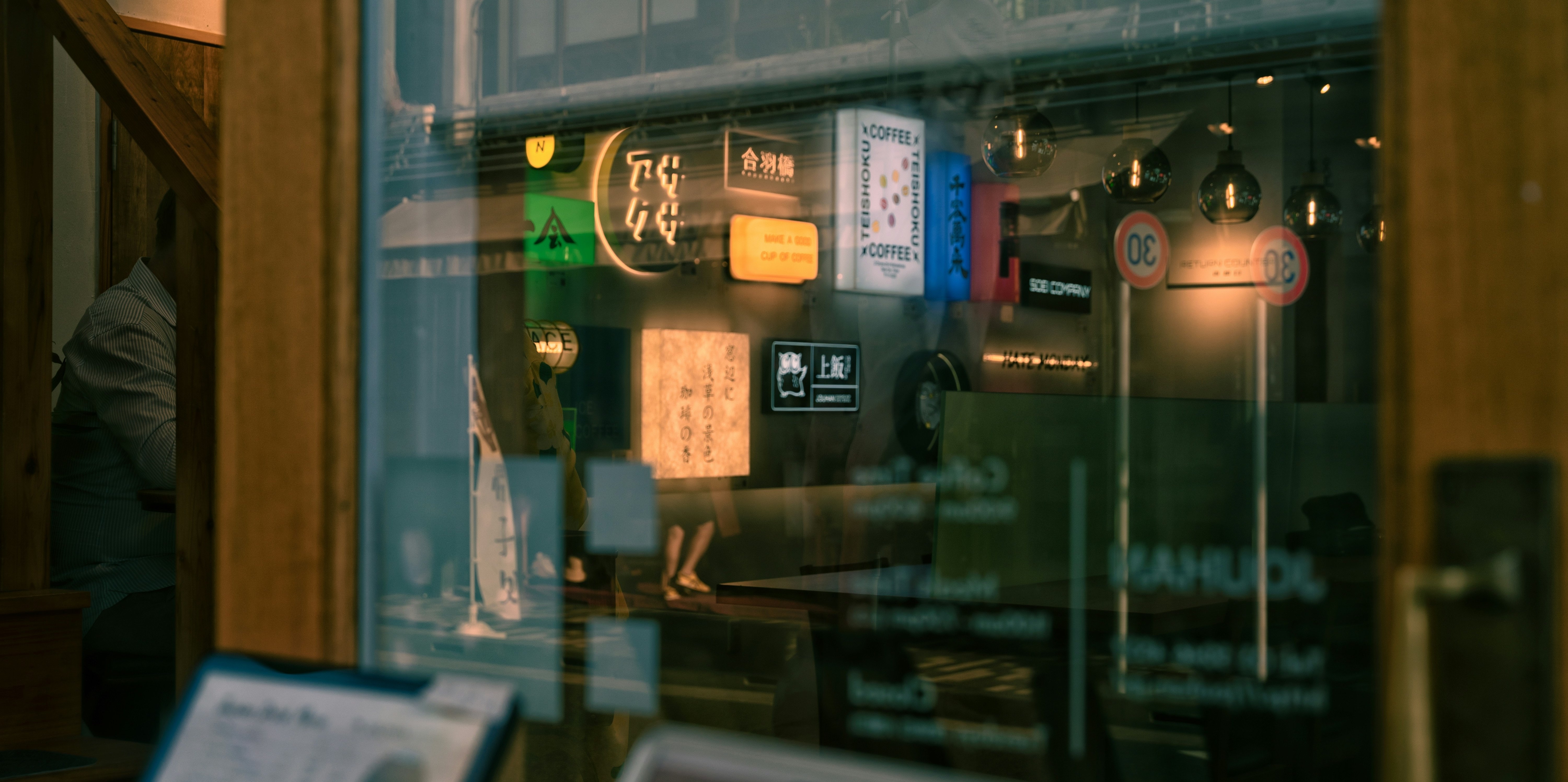
Images take up the entire available width and are centered if there is space available. You can control this flexibly. For example, above there was a large 4K image, which will be displayed at full width for almost everyone. Below, there is an image of about 2K, which will be centered for some users, leaving space on the right and left:
Quotes are used for large accent inscriptions that extend beyond the text grid:
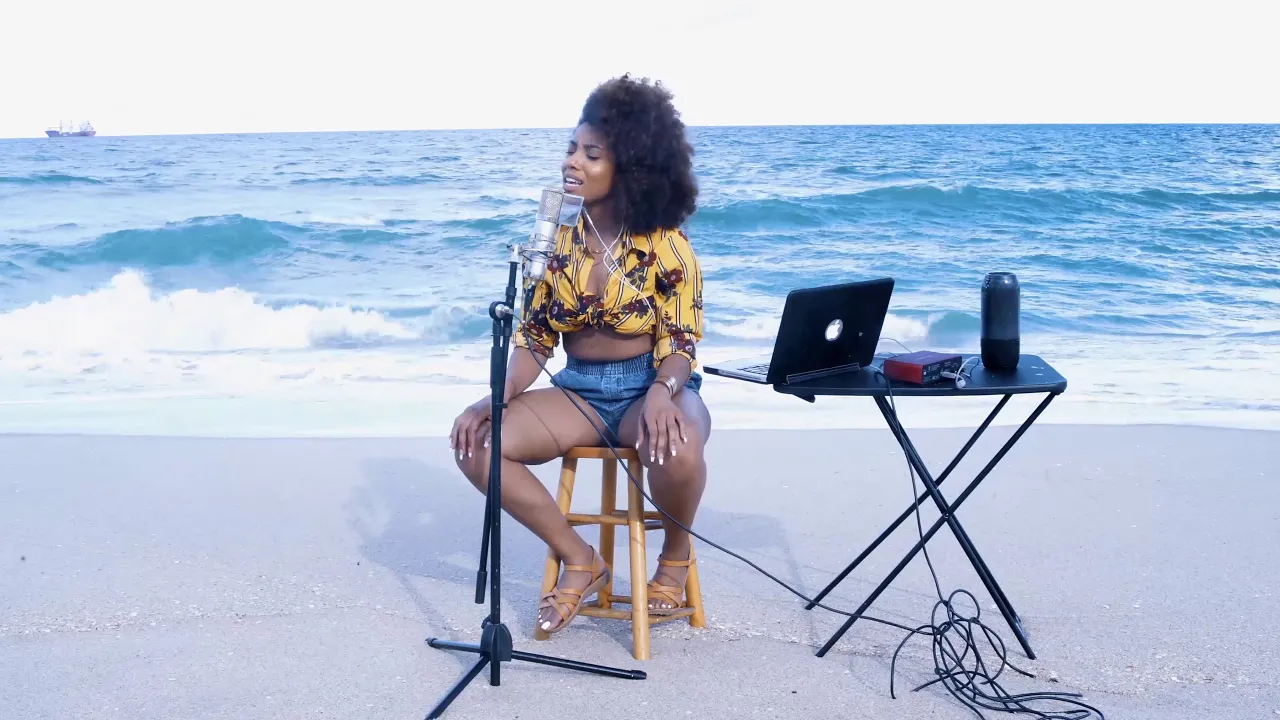
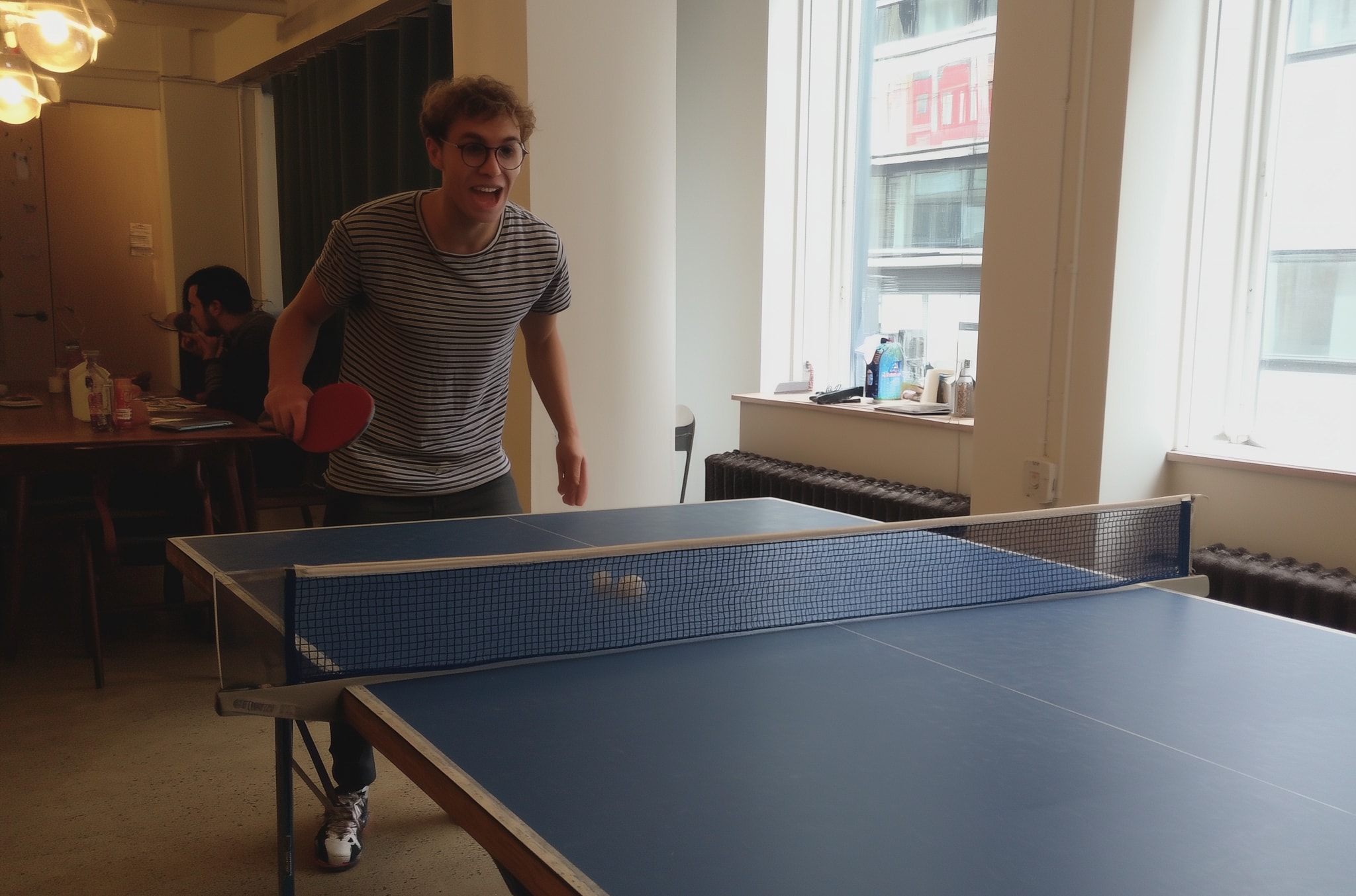
In order to create images where the character is playing tennis, I had to set a reference image with poor composition and lighting, a standard amateur photo taken on a phone, like ordinary people take.
Otherwise, Midjourney makes photos that look too studio-like, and I wanted to show that you don't have to hire a photographer for photos in the sidebar. Yes, in my opinion, this also applies to the cover photo, but it sells better this way. This is an example of what Midjourney generates when I make a regular request for my character playing ping pong. The photos are too professional.

Below is a high-resolution image. This allows you to make Behance-like publications, and this template allows you to do that, which will be discussed in the next post.
Template sales hit record highs
Any similarities to real data are purely coincidental
Sales | The day before yesterday | Yesterday | Today | Tomorrow |
|---|---|---|---|---|
Everyone | 3682 | 17307 | 168230 | I don't know |
Designers | 2416 | 12424 | 73566 | I don't know |
Programmers | 1220 | 2343 | 6327 | I don't know |
Photographers | 2 | 1 | 0 | I don't know |
Of which to friends | ||||
Everyone | 3682 | 17307 | 168230 | Maybe 120456 |
Designers | 2416 | 12424 | 73566 | 5 |
Programmers | 1220 | 2343 | 6327 | 2 |
Photographers | 2 | 1 | 0 | 0 |
I added a large block of code so that I could create an interesting coding portfolio. Here is an example of Dart code from my language learning app with neural networks. At the time of creating the template, Framer supports 33 syntax highlighting options (languages), but Dart is not one of them, so JavaScript highlighting is used here. The entire width of the post is taken up by code, photos, and videos.
CMS Framer allows you to insert code line by line, then it fits into the standard grid, like this: bool get hasActiveTimer => _interludeTimer != null; and like this: final duration = storyState.duration;
You can insert line by line
final duration = storyState.duration;and into the accent text
Be sure to check out other posts where I demonstrate the template's capabilities, as there will be no more meaningful text in this publication.
I use random articles from Wikipedia when I need to fill in with random text.
Physical media and devices have texture. Weight. They have sensory controls, like clicky buttons, snappy lids, twisty dials and smooth sliders. You can see and hear the technology working: it crackles, hisses and spins in a viscerally satisfying way. It also has quirks and imperfections, which somehow makes it feel more human. Finally, it forces us to slow down, grounding us in the present with its format limitations and feature constraints. There are no software updates. No apps. No distractions.
Maybe this appeal is accentuated by the relentless pace of technological development, specifically AI.
In a world that’s changing so fast, that feels so fleeting and full of existential considerations, perhaps we’re drawn to experiences that are tactile, unchanging and easy to understand.
And in a media landscape that’s become complex, opaque and driven by algorithms, the simplicity of choosing something from a limited physical music collection and going through the ritual of playing it is comforting.
We should also consider the physical devices we play these formats on, which can be beautifully designed objects in their own right. Consider the aesthetic of either a vintage or sleek modern record player; products that both perform functional utility, but can also be displayed on a shelf as an object to be appreciated.
In contrast to physical counterparts, digital media products and services are all about convenience, speed and technical quality. In many ways, this is a good thing: we’ve designed a world where accessing media is quicker, easier and more reliable.
But it also means we’ve started missing out on all the pleasures and benefits of old school physical media and devices. And that’s because our tools and technology have trended towards flat screens and homogenised interactions

The obvious example is the smartphone, which has consolidated countless tools (camera, calculator, notepad, music player, etc) into a single device. While this is obviously convenient, it’s created a ubiquitous interface where every interaction and all intent is expressed through the same scrolling, swiping, pinching and tapping
While this is obviously convenient, it’s created a ubiquitous interface where every interaction and all intent is expressed through the same scrolling, swiping, pinching and tapping
Fictional planets of the Solar System have been depicted since the 1700s—often but not always corresponding to hypothetical planets that have at one point or another been seriously proposed by real-world astronomers, though commonly persisting in fiction long after the underlying scientific theories have been refuted. Vulcan was a planet hypothesized to exist inside the orbit of Mercury between 1859 and 1915 to explain anomalies in Mercury's orbit until Einstein's theory of general relativity resolved the matter; it continued to appear in fiction as late as the 1960s. Counter-Earth—a planet diametrically opposite Earth in its orbit around the Sun—was originally proposed by the ancient Greek philosopher Philolaus in the fifth century BCE (albeit in a pre-heliocentric framework), and has appeared in fiction since at least the late 1800s. It is sometimes depicted as very similar to Earth and other times very different, often used as a vehicle for satire, and frequently inhabited by counterparts of the people of Earth.
First point
Second point
Third point
Following the discovery of the first asteroids in the early 1800s, it was suggested that the asteroid belt might be the remnants of a planet predicted by the Titius–Bode law to exist between Mars and Jupiter that had somehow been destroyed; this hypothetical former fifth planet is known as Phaëton in astronomy and often dubbed "Bodia" (after Johann Elert Bode) in science fiction. Bodia was popular in the pulp era of science fiction, where it was often depicted as similar to Earth and inhabited by humans who might occasionally be the ancestors of humans on Earth, and stories about its destruction became increasingly common following the invention of the atomic bomb in 1945.
Additional planets in the outer reaches of the Solar System, such as a ninth planet beyond Neptune or especially a tenth beyond Pluto (between the 1930 discovery of Pluto and its reclassification from planet to dwarf planet in 2006), appear regularly. Many different names for this hypothetical outermost planet have been used, the most common being "Persephone". Some stories depict so-called rogue planets that do not orbit any star entering the Solar System from without, typically on a collision course with Earth. Less frequently, fictional planets appear in other locations, such as between Venus and Earth or inside a hollow Earth. Similarly, fictional moons appear in some works; fictional additional moons of the Earth largely fell out of favour with the advent of the Space Age.
Anomalies in Mercury's orbit around the Sun led Urbain Le Verrier to propose the existence of an unseen planet with an orbit interior to Mercury's exerting gravitational influence in 1859, similar to how irregularities in Uranus' orbit had led to his mathematical prediction of Neptune and its subsequent discovery in 1846
This hypothesized planet was dubbed "Vulcan", and it subsequently made several appearances in works of fiction. It has typically been depicted as an extremely hot place. In Donald Horner's 1910 novel By Aeroplane to the Sun, Vulcan is spotted by spacefarers en route to the Sun, but not visited. Mercury's orbital anomalies are now understood to be caused by the effects of general relativity, and Vulcan was thus conclusively dismissed as a serious scientific theory in 1915, having by then already largely fallen out of favour as a result of extensive search failing to result in direct observation of the planet to confirm its existence.